Movement/Styles and genres of art
Movement / Styles and genres of art
.jpg) 1. Abstract expressionism
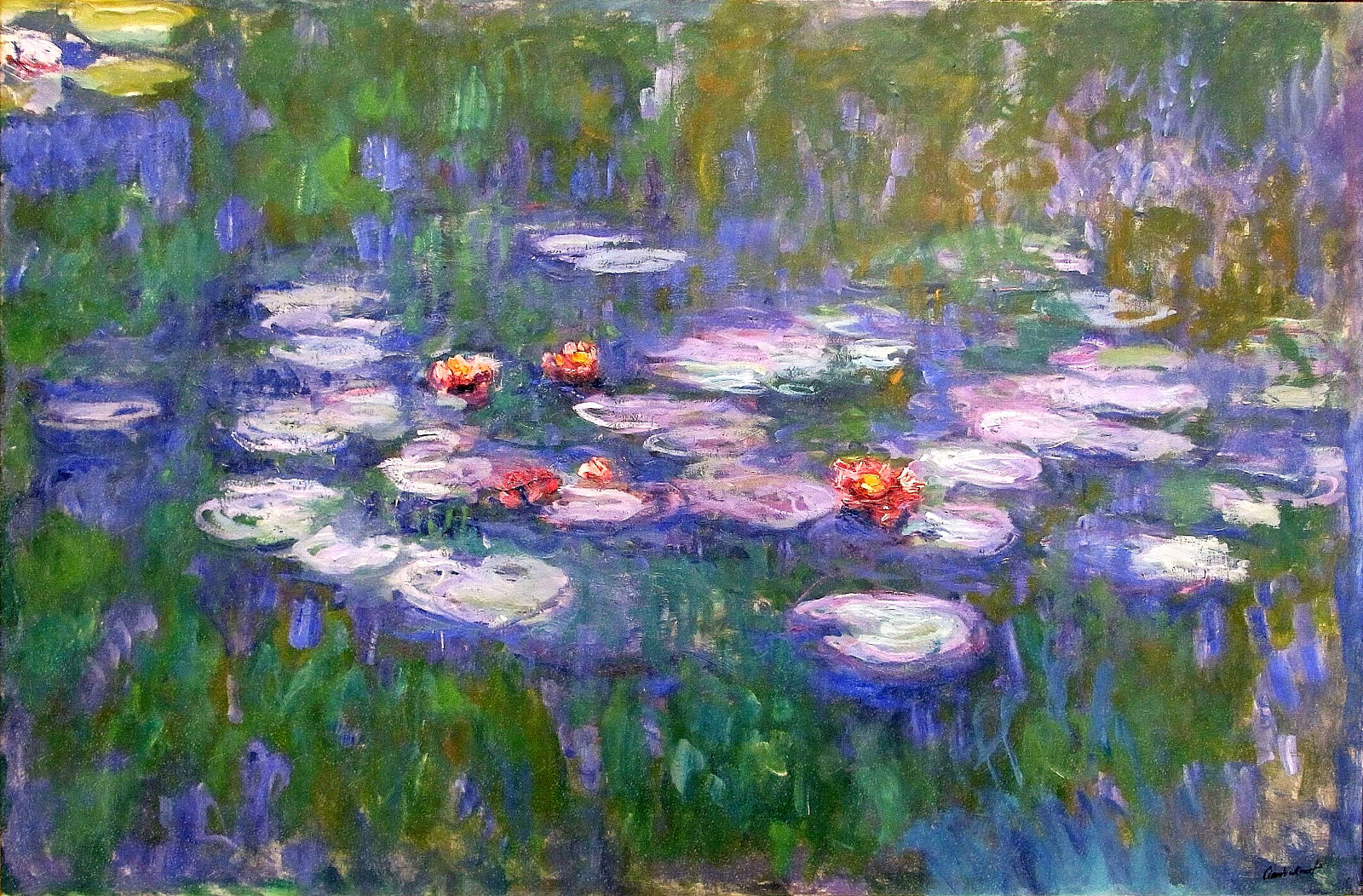
1. Abstract expressionism2. Impressionism
 3. Rayonism
I'd not heard of rayonism before I read about it on theartstory.org. I like how striking and bold it is to look at. It reflects the scientific and metaphysical developments of Russia at the time, where it originated. The sharp angles and random lines featured in this work seems quite rebellious and rayonists tried to break down the barrier between art and life with their work.

4. Cubism
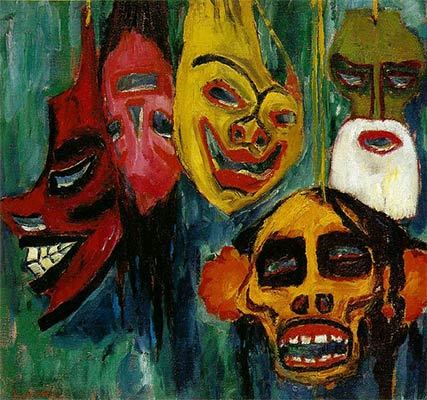 I like cubism as I've looked at it before at GCSE but not in much depth. I like how it turns away from realism and more on allowing space to flow through the whole piece, merging objects together and into space at the same time. Lines throughout cubism remain quite sharp and harsh, whilst the compotision of a piece as a whole flows together very smoothly. Some cubism work used colour gradients and shadows to make their work appear more 3D, whereas some use solid block colour for a bolder look.
5. Die Brücke
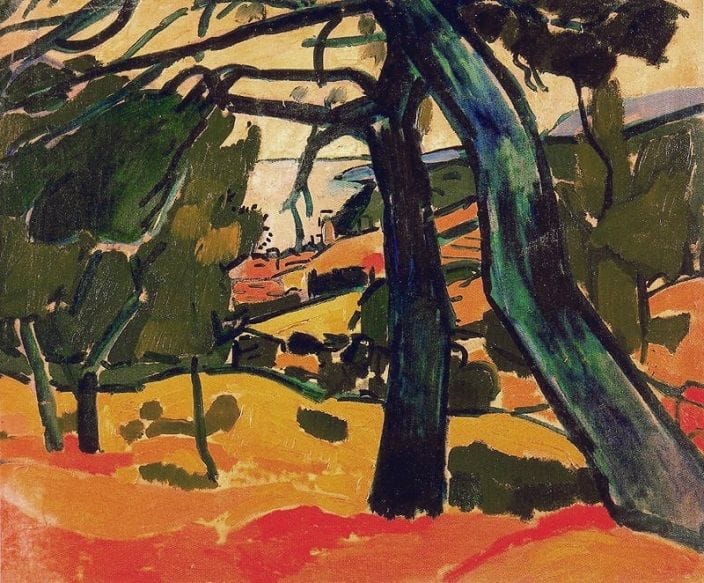 I didn't know what die brücke was before doing some research, I've learnt its a German form of expressionism and translates to "the bridge", to show the artists going from their past to their present. None of the four founding artists if die brücke had received any formal education in visual arts, showing anyone can become an artist.
6. Fauvism
This was one of the first movement in 20th century modern art. I like fauvism as it allows colour to establish the mood and tone of a piece rather than the colour being true to real life. It allows for the individual artist to express their feelings through colour, also the composition allowed for balanced forms and emphasises the flatness of the canvas used by the artist.
7. Post-painterly Abstraction
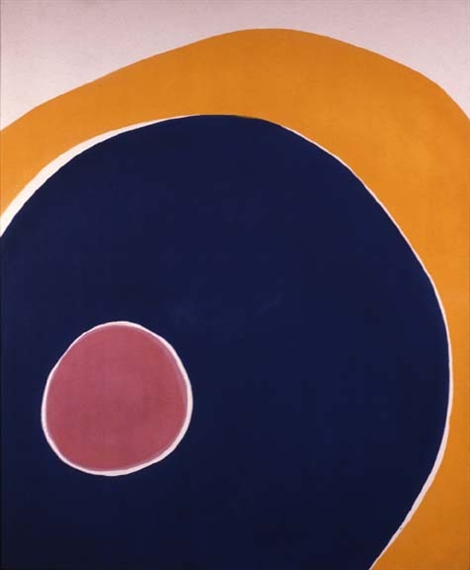
This style is usually bright in colour, with minimal detail, linear in design and open in composition, meaning it could go beyond the canvas. I like how bold and minimal they are at the same time, allowing for the individual to come to their own conclusion of what the art means to them.

8. Colour field painting
This style I like as it's quite striking. It marked the development of the abstract painting movement. It was revolutionary as it avoided a background and a foreground instead, it brought the composition together. The 'field' or canvas space is taken over by a mass of colour focuses on the emotions, rather than the symbols.
9. Vorticism
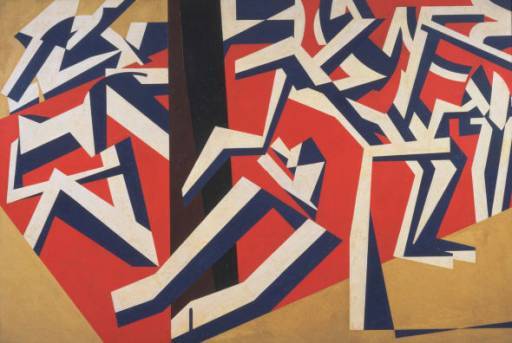
This movement got its name from the vortex being used to describe ideas brewing within the group of artists. Vorticism is linked in with the composition of cubism but with machine-age imagery. I like the colours and the bold lines and angles used.
10. Op Art
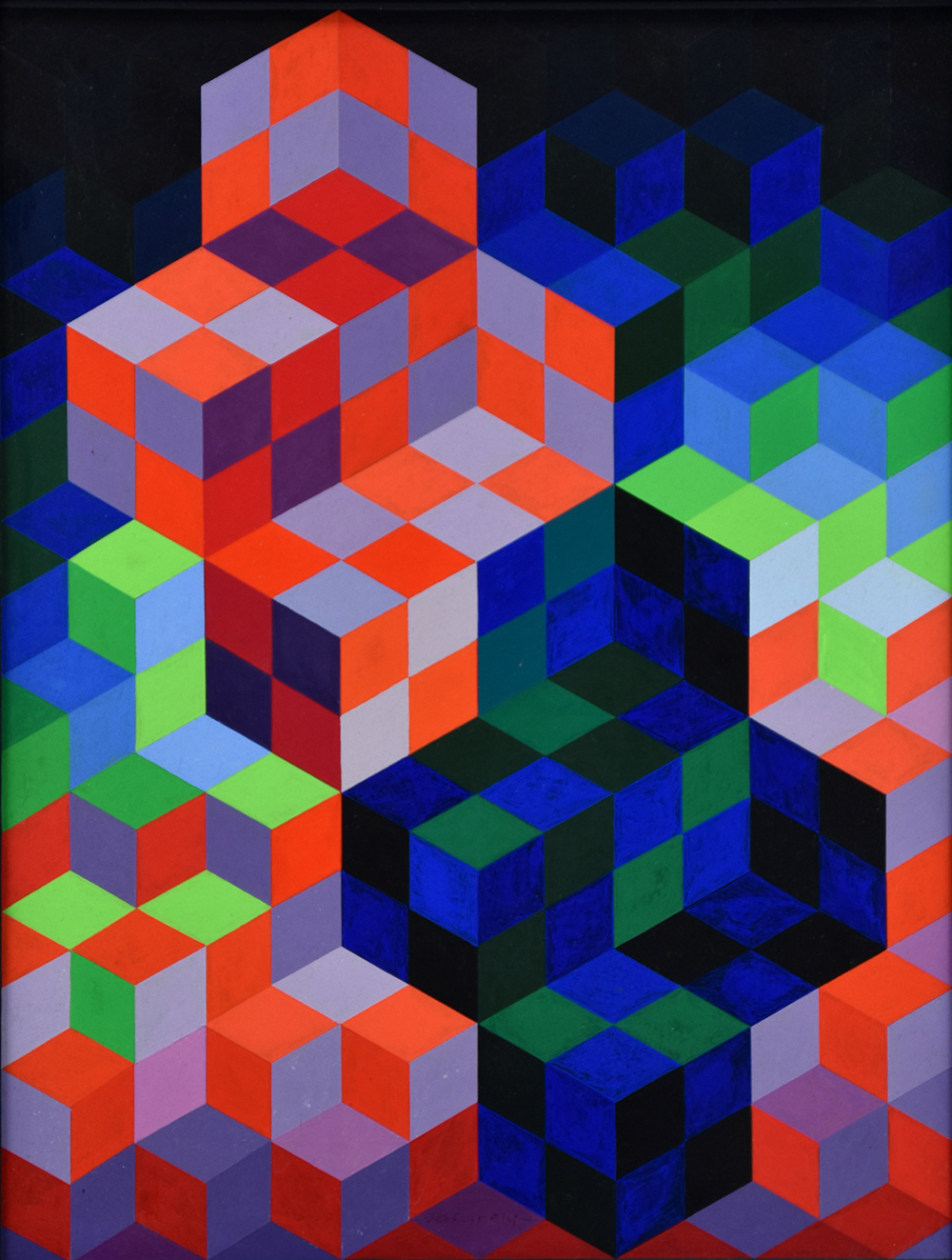 I like this movement as it's similar to optical illusions. Some pieces contain lots of colour and some are just simple lines, but either way they're very effective.
Artists
Adolph Gottlieb (1903~1974) I like this piece as the colour scheme goes well with the lines and shadows, and the patterns used. Gottlieb was an American Abstract expressionism artist around 1940's.
Morris Louis (1912~1962)
I like this piece as the colours go well and blend into the background. Morris Louis was an American painter, part of the colour field painting movement.

Gerhard Richter (1934~)
Richter is a German artist who trained in realistic paintings before developing into pop-art and postmodernism.

Jackson Pollock (1912~1956)
He was responsible for rebelling against traditional painting at the time, creating this abstract style and allowed him to express himself about current events at the time.


Comments
Post a Comment